
Mehmet Günce Akkoyun
Ben Günce Akkoyun. Elektronik ve yazılım mühendisliği alanında uzmanlaşmış, üretim odaklı donanım projeleri geliştiren bir mühendisim. Uzun yıllardır IoT, tarımsal teknolojiler ve endüstriyel otomasyon üzerine çalışıyorum ve fikirden seri üretime uzanan ürün geliştirme yolculuğunun her aşamasında aktif rol alıyorum.
Proje tanımlama, Ar-Ge yönetimi, elektronik tasarım, gömülü yazılım, PCB geliştirme, mekanik tasarım, prototipleme ve test süreçlerinde edindiğim deneyim; hem kendi projelerimde hem de endüstriyel müşterilerim için yüzlerce ürünün ortaya çıkmasına katkı sağladı.
Aynı zamanda bir eş, bir baba ve bir öğretmenim. Üretmeye, öğrenmeye ve öğrendiklerimi paylaşmaya duyduğum tutku, hem çalışmalarımın hem de kişisel yolculuğumun temelini oluşturuyor.
Benim için üretmek sadece bir meslek değil, aynı zamanda paylaşılması gereken bir bilgi yolculuğu. İş birliği için akkoyun@me.com mail adresinden her zaman ulaşabilirsiniz.
Uzmanlık Alanlarım
Elektronik Tasarım
Endüstriyel sınıf şematik ve PCB tasarımı, analog/dijital devreler, güç elektroniği, sensör entegrasyonu ve izolasyonlu yüksek voltaj mimarileri.
Elektronik Üretim
Tasarımı seri üretime uygun hale getirme, maliyet optimizasyonu ve uzun dönem saha dayanıklılığı için prototipleme, test, revizyon ve kalite süreçlerini uçtan uca yönetirim.
Donanım Girişimciliği
Donanım ürünlerini fikir aşamasından seri üretim ve pazara girişe kadar uçtan uca ele alan danışmanlık yaklaşımı.
Hücresel IoT
Sahada çalışan hücresel IoT ürünleri için modem entegrasyonu, SIM/eSIM yönetimi, anten/RF pratikleri ve güvenilir bağlantı mimarileri geliştiririm.
Backend & Sunucu Altyapısı
FastAPI, Kafka, Redis ve PostgreSQL gibi bileşenlerle ölçeklenebilir mikroservisler, güvenli API katmanları ve gerçek zamanlı veri işleme altyapıları kurarım.
Dijital Tarım & Otomasyon
Uzaktan saha otomasyonu, endüstriyel enerji analizi, AI destekli karar mekanizmaları ve sürdürülebilir tarım odaklı sistem tasarımı.
Üzerinde Çalıştığım Başlıca Projeler
Üretim odaklı mühendislik yaklaşımımın bir sonucu olarak tarımsal ve endüstriyel ihtiyaçlara odaklanan, sahada doğrulanmış projeler geliştiriyorum.
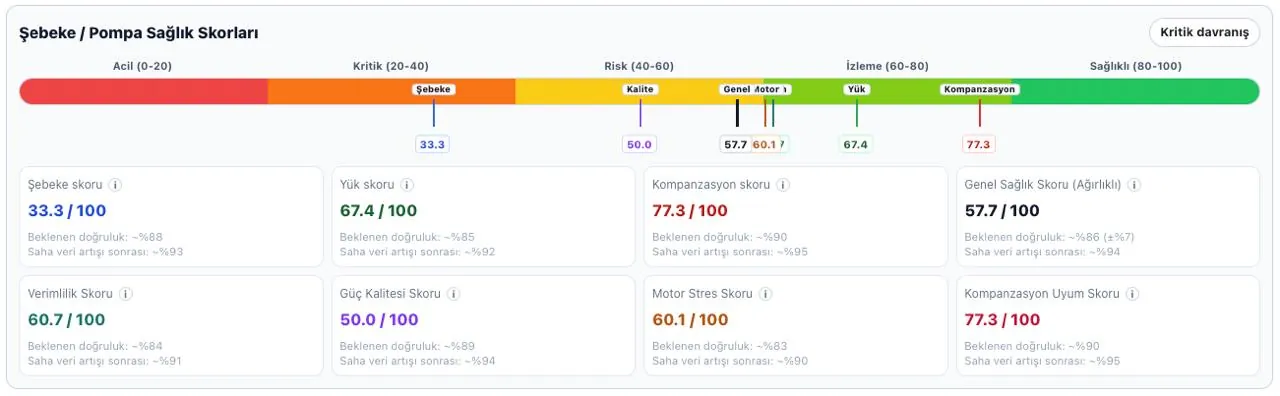
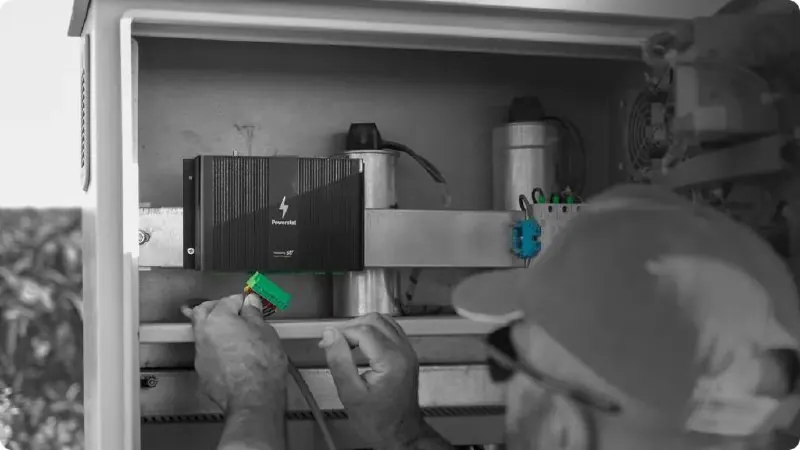
PowerStat
Tarımsal ve endüstriyel işletmeler için enerji analizi, uzaktan kontrol ve otomasyonu tek bir platformda bir araya getirerek gerçek saha ihtiyaçlarına çözüm sunan entegre sistem.
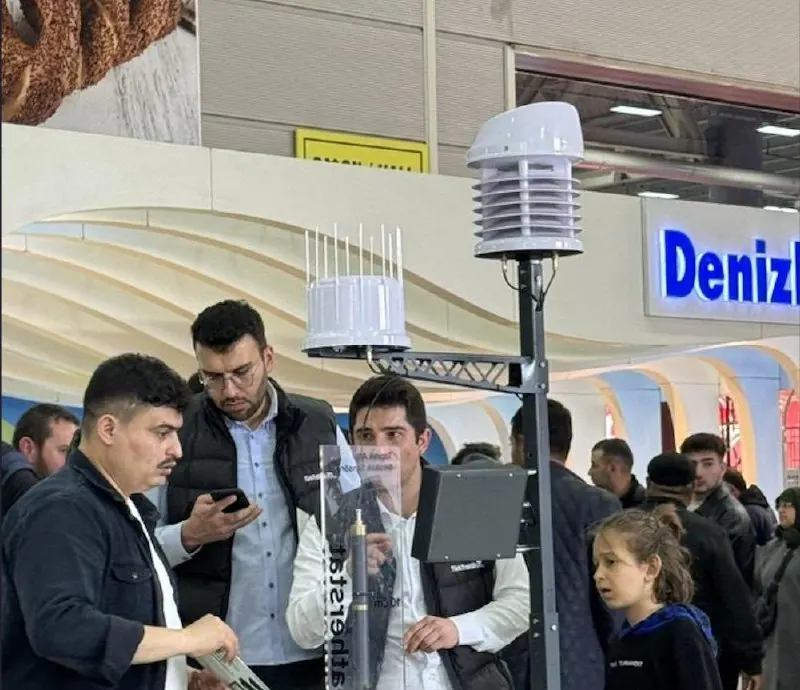
WeatherStat
Mikro iklim gözlem istasyonlarıyla düşük güç tüketimli sensör mimarileri kullanarak çevresel verilerin güvenilir, uzun ömürlü ve sürekli toplanmasını sağlayan saha odaklı altyapı.
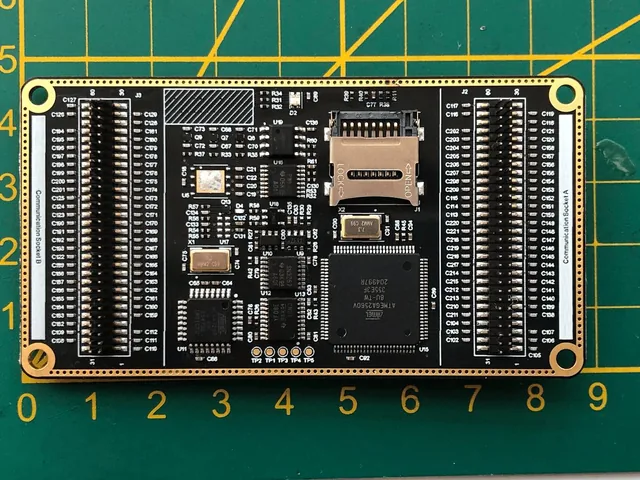
Açık Kaynak Projeler
Elektronik devrelerden yazılım kütüphanelerine kadar birçok açık kaynak donanım ve yazılım projesini GitHub üzerinde paylaşarak geliştiricilere ve girişimcilere referans oluşturan çıktılar üretiyorum.